Why Transformation Stalls Inside Successful Organizations
Transformation has become part of normal operations for leadership teams.
Different parts of organizations now move at different speeds simultaneously. Strategy shifts. Technology evolves. Customer behavior changes. Operational performance still needs to hold.
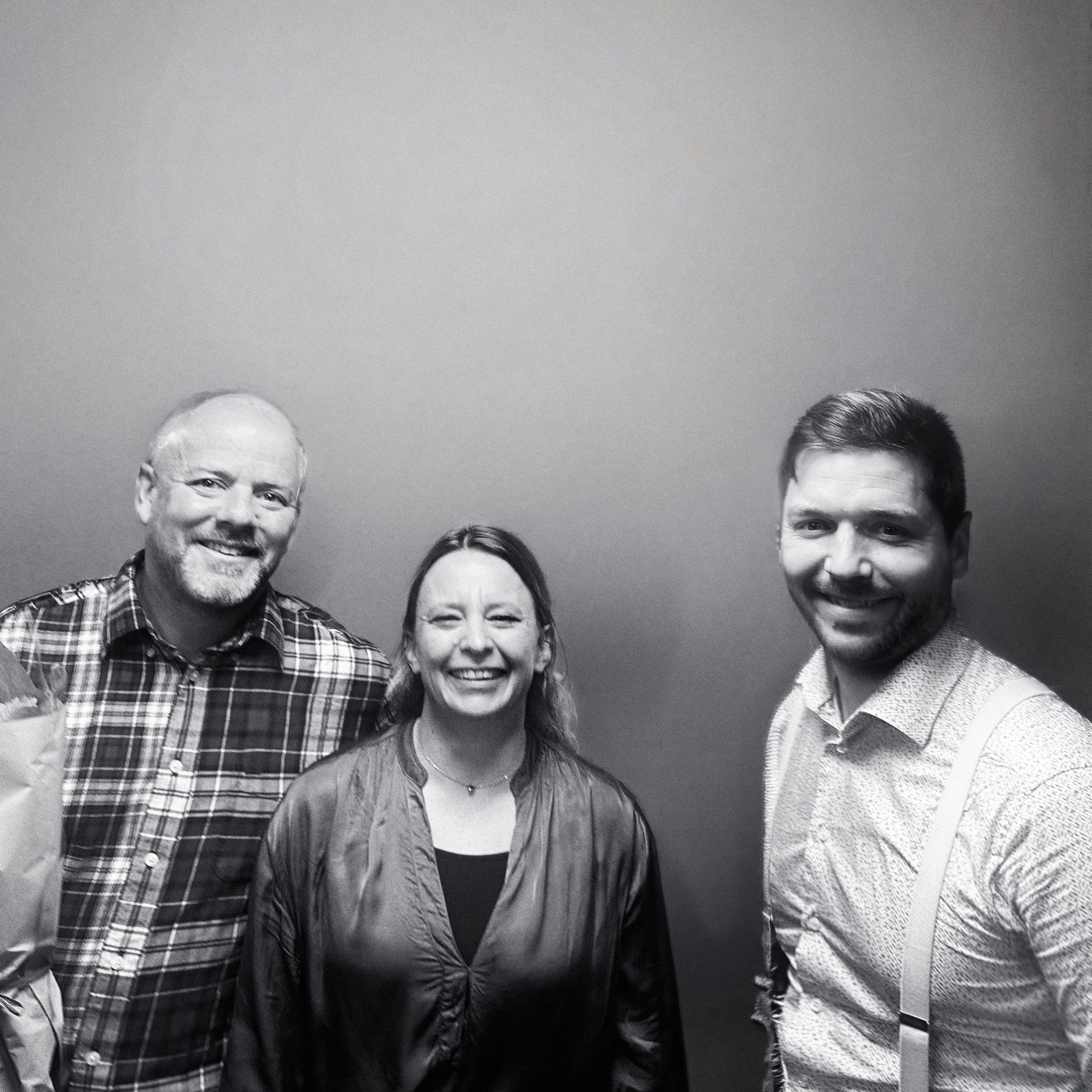
Those themes formed the starting point for a recent breakfast session hosted by Johan Rudberg from Influence, Petra Ehle from Influence People, and Neil Dickson from Scania. The discussion explored why large companies often struggle to sustain transformation over time, even when the need for change is widely understood.
A central tension throughout the morning was the balance between operational excellence and reinvention.
Successful companies are built around structures, leadership models, incentives, and operating rhythms designed for stability and predictable execution. Those strengths remain critical, while also making adaptation slower when industries begin moving faster than internal decision-making and execution models.
Transformation emerged not as a program, but as an organizational capability.
Not something operating alongside the business for a limited period of time, but a long-term capability built through continuous interpretation, prioritization, and adjustment as conditions change.
Leadership remained central throughout the conversation, particularly how leaders allocate attention, create clarity, and shape decision-making over time.
A recurring observation was how historical success can become a constraint when markets begin shifting faster than internal operating models.
“The systems that made a company successful are often the same systems that make change difficult,” Johan Rudberg noted.
The systems that once created stability and performance can also make reinvention slower and more difficult.
Structure and culture also remained closely connected throughout the talks.
Reorganizations alone rarely create lasting change. Sustainable transformation depends on leadership, incentives, behaviors, and operating models reinforcing one another over time.
Analytics and decision-making also featured prominently throughout the morning.
Businesses increasingly have access to more data than they can operationalize. The harder problem is turning information into prioritization, learning, and course correction quickly enough to matter.
Across industries, transformation is increasingly becoming part of the operating environment itself.