Saying No Is How Specialists Grow
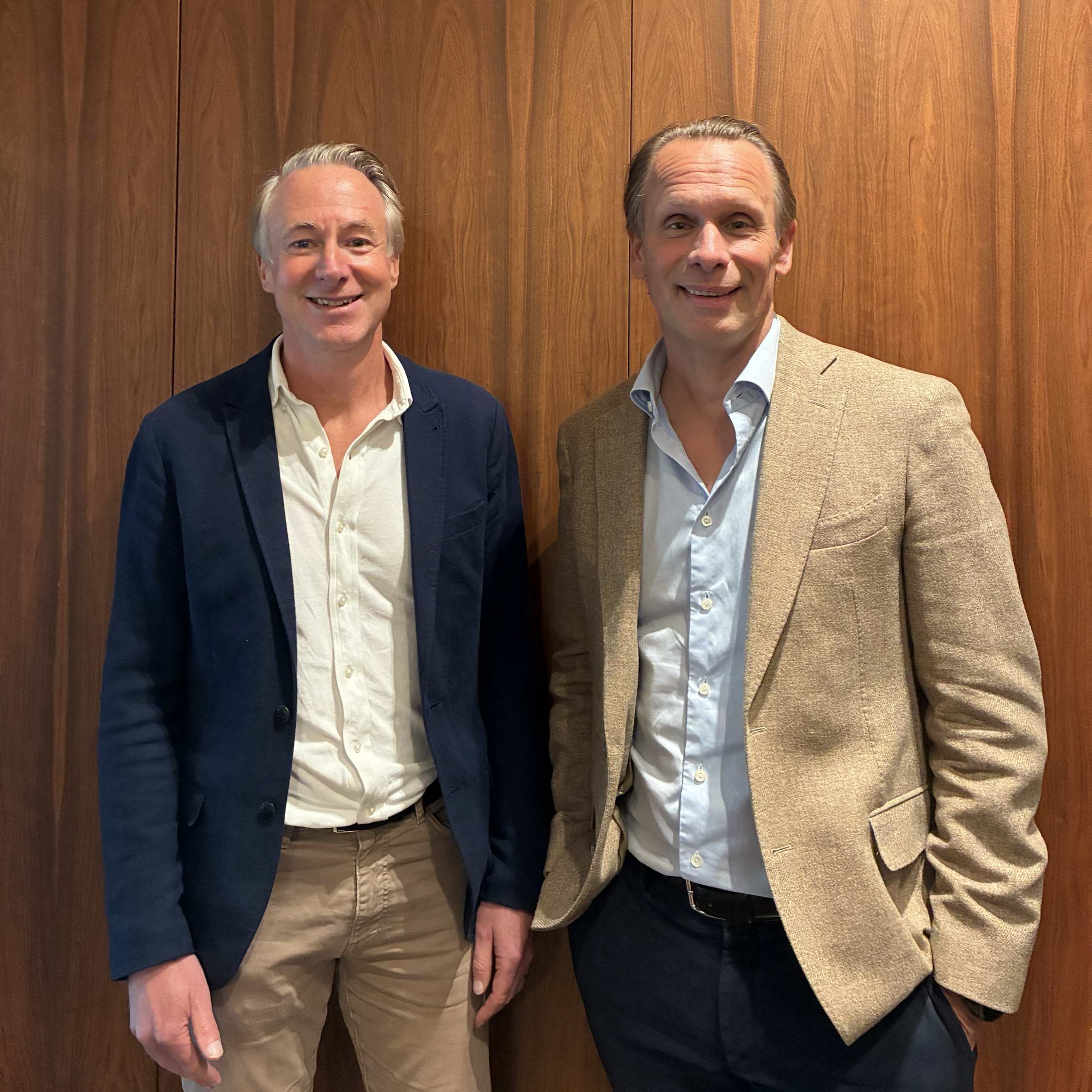
Every specialist firm is eventually asked to do something it could do, but perhaps shouldn’t. Robert Liljeblad of Procure It Right and Martin Hessle of Avanti answer that question differently. What they share is a conviction that the most dangerous moment for a specialist is not losing a deal. It is winning the wrong one: a win that pays today and costs for years.
It usually starts with trust. An assignment goes well, the client is pleased, and in the final meeting the next question arrives: could you also take a look at this?
The work is adjacent. The team is capable. The revenue is real. Saying yes feels like the natural reward for a job well done.
“That is exactly when you should slow down,” says Robert Liljeblad, CEO of Procure It Right. “When a client trusts you, they will ask you for almost anything. The question is not whether you can do it. It is whether you are the best people they could have.”
Seeing a problem is not owning it
In procurement, those questions never stop coming. An assignment touches finance, technology, operations and supplier relationships, and the consultants often see problems far beyond the scope they were brought in for.
“Procurement is a window into the whole business,” Robert says. “We see a lot, and understanding it is part of our job, because procurement decisions ripple everywhere. But seeing a problem doesn’t make it ours to solve.”
Digitalization is the clearest test. Procure It Right needs to understand procurement technology in depth: how it changes processes, decisions and the way companies work with their suppliers. That does not make it a technology consultancy.
“We go as deep into technology as procurement requires, and then we stop,” Robert says. “Past that point, the client deserves people who work with it every day. If we pretend otherwise, we get weaker at the thing we are actually best at.”
A pattern, not a request
Martin Hessle faces the same question from the other side. Avanti leads transformation in financial services and real estate, fields where the boundaries keep moving. Business design, service development, technology and operational change increasingly arrive as one problem rather than four.
“In a field like ours, the risk isn’t only drifting. It’s standing still while the work changes around you,” says Martin Hessle, CEO of Avanti. “If transformation changes shape and we don’t, we become specialists in yesterday’s problem.”
So Avanti does add capabilities. What it refuses to do is let a single request decide which ones.
“One request tells you something about a client. A pattern tells you something about the market,” Martin says. “When a need keeps coming back, builds on what we already know and takes us further into the transformations we want to lead, it is worth building. If it only makes us bigger, it isn’t.”
Cloud cost optimization in banking and insurance is one such pattern. It did not start with a single request. The same problem kept surfacing across clients.
“Moving to the cloud made it far easier to build and scale new applications,” Martin says. “But it also made costs much harder to control. When we kept seeing that, we decided to build real expertise in it, so we can help clients take back control and make sure their cloud investments actually pay off.”
This is where the two CEOs part ways, at least in emphasis. Robert keeps his field sharply defined and goes deeper within it. Martin expects his to move and decides deliberately where it moves to. Yet both reject the same thing: letting the client’s latest question write the company’s strategy.
“Growth should sharpen the profile, not blur it,” Martin says. “Every capability we add has to make it easier, not harder, to explain why a client should choose us.”
The price of no
If declining is so often the right call, why is it so rare? Because for an independent specialist, no has a price. The revenue walks out the door. The relationship may follow it, handed to a broader firm that is happy to say yes to everything.
Robert knows that price first-hand. In the middle of a major sourcing event, one of the bidding suppliers suggested that Procure It Right run a cost-out project for them at the same time.
“We told them we couldn’t have that conversation until the sourcing event was finished,” Robert says. “By then, they weren’t very interested anymore. That was the cost of saying no, and it was the right call. Our clients need to know which side of the table we’re on.”
Not every no can be passed on. But when the question is fit rather than integrity, there is often somewhere else for the work to go.
“For a standalone firm, saying no often means stepping away,” Robert says. “With Newground behind us, it means saying: this part isn’t us, but we know exactly who it is, and we’ll stay in the room. That is a completely different conversation with a client.”
Martin sees the same effect on something harder to measure: honesty.
“When you know there are specialists you trust next to you, it becomes much easier to be clear about where your own expertise ends,” he says. “And that clarity is part of what clients are paying for.”
Bigger, or better?
Almost any capable team can do more than it does today. That has never been the hard question. The hard question is whether doing more will make a firm better at what clients come to it for, or simply bigger.
Which may be the real measure of a specialist firm. Not how many opportunities it wins, but how many it can afford to pass on, and who it can trust to hand them to.